


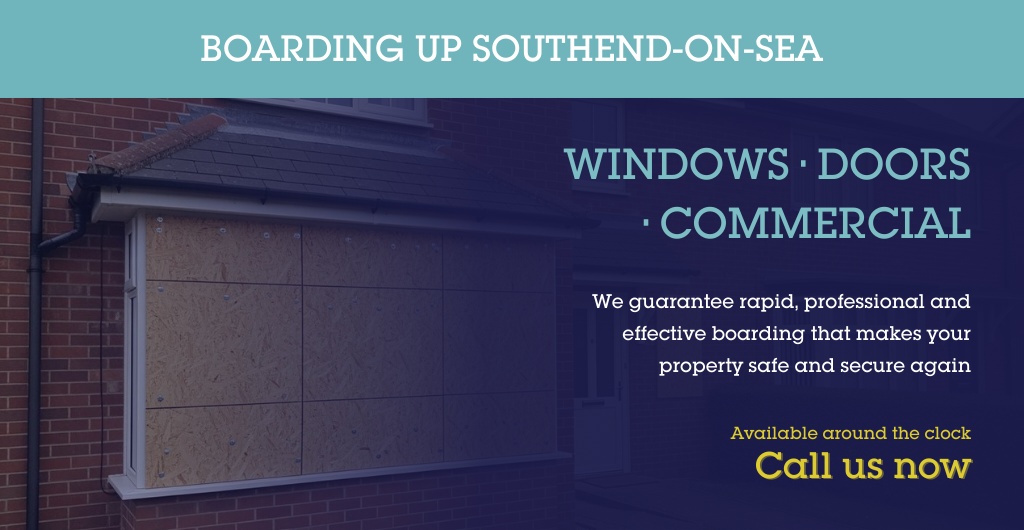
What Is Boarding Up? A Practical Guide for Southend-on-Sea (SS0–SS22)
Boarding up is the process of securing damaged, missing, or vulnerable openings—most commonly windows, doors, shopfront glazing, and roof access points—using strong sheet materials and fixings. The goal is simple: make the property safe and secure until permanent repairs can be completed.
In Southend-on-Sea and across the SS postcodes, boarding up is often needed after a break-in, vandalism, storm damage, fire, or an accident. If you need urgent help, our team provides emergency boarding up and can talk you through the safest next steps on the phone. Call 01702 967 571.
What “boarding up” actually means (and what it isn’t)
When people search “board up broken window” or “secure property”, they’re usually looking for a fast, practical solution that:
- prevents easy access for intruders
- reduces risk of further damage (especially weather exposure)
- protects occupants, neighbours, staff, and passers-by from sharp glass and unstable frames
- helps demonstrate to insurers that reasonable steps were taken to reduce additional loss
Boarding up is not the same as repairing the underlying damage. We’re there to secure the opening and make safe. Permanent replacement glazing, joinery repairs, or full door replacement are normally handled by a glazier, locksmith, or builder afterwards (sometimes arranged by your insurer or managing agent).
If the opening is too unstable to secure safely without additional work, we’ll explain the options before proceeding—because the priority is always safe access and a secure outcome.
When is boarding up needed?
In Southend-on-Sea, most call-outs fall into a few common scenarios. You might need boarding up if:
- A window has been smashed during a burglary or vandalism
- A door has been forced and won’t close or lock properly
- A shopfront has been damaged and the premises can’t be left exposed overnight
- Storm damage has removed panels or broken glazing (especially in high winds)
- Fire damage has left the building open (even if the fire is already out and the area is safe)
- An accident/impact has broken glazing or frames (including vehicle impact)
For event-specific guidance, these pages may help:
- burglary repairs and boarding
- vandalism boarding and make safe
- storm damage boarding
- fire damage securing
- accident damage boarding
What materials are used for boarding up?
The right material depends on the opening size, location, and how long it needs to stay in place.
Plywood (common for windows, doors and shopfronts)
For many jobs we use exterior-grade plywood, often 18mm where strength matters (larger windows, ground floor access points, or commercial frontages). Plywood offers good impact resistance and holds fixings securely.
OSB (often suitable for smaller, lower-risk openings)
OSB (oriented strand board) can be a cost-effective option for some smaller openings, temporary internal boarding, or where the risk profile is lower. A common choice is 12mm OSB for smaller areas.
Temporary steel doors (when access needs to remain secure)
If a door has been forced and you need robust medium-term security (especially for vacant properties or repeated targeting), a temporary steel door can be a better option than timber boarding. It provides a secure, lockable entry point while permanent repairs are arranged. See door boarding in Southend-on-Sea for typical use cases.
Security screens (for longer-term or repeat issues)
For some vacant/void properties or sites with ongoing risk, steel security screening may be appropriate. We’ll advise based on risk and budget, and we’ll be clear if a different approach would be more suitable than standard boarding.
How boarding up works: our step-by-step approach
Every property is different, but a professional boarding-up job follows a consistent, safety-led process.
-
Initial questions on the phone We’ll ask what happened (break-in, smashed window, storm damage), which opening is affected, whether anyone is inside, and whether the police are attending/attended. If it’s out of hours, we’ll still guide you through what to do while you wait.
-
Arrival and safety check We assess hazards such as hanging glass, unstable frames, exposed fixings, or fire/flood after-effects. If there’s a risk to the public (e.g., shopfront on a busy frontage), we prioritise immediate “make safe” steps.
-
Measure and plan the fixing method Boarding up isn’t just “put a sheet over it”. We consider:
- the strength of the surrounding substrate (brick, timber frame, uPVC, aluminium)
- whether non-destructive methods are possible
- if anti-tamper fixings are needed to prevent removal from outside
-
Cut, fit, and secure the board We cut boards to size and secure them using the appropriate method for the opening. Where the frame is too damaged to fix securely without causing further issues, we’ll explain what’s possible and agree the best practical solution.
-
Photo documentation and job wrap-up We can provide time-stamped photos, an itemised invoice, and a brief work statement describing what was secured and how—useful for landlords, facilities teams, and insurance claims.
If you’re comparing solutions, you can also read about window boarding in Southend-on-Sea and shopfront boarding to understand how methods differ by opening type.
Boarding up vs boarding over: what’s the difference?
People use these phrases interchangeably, but the intent can be slightly different:
- Boarding up usually means securing an opening that’s already compromised (broken glass, forced door).
- Boarding over can mean placing a protective layer over an intact but vulnerable area (for example, if glazing is cracked and likely to fail, or the premises will be empty).
In both cases, the key is that the result should be secure, stable, and difficult to remove from outside.
Is boarding up legal, and do you need permission?
In most urgent situations, boarding up is a reasonable temporary security measure—especially after a crime or damage—because it prevents further loss and helps keep people safe.
That said, permission and responsibilities can vary:
- Tenants should notify the landlord/agent as soon as possible.
- Leasehold flats may have managing agent requirements for external appearance.
- Commercial premises (especially on prominent frontages) sometimes need an orderly approach to signage, access, and ongoing security.
If you’re not sure, call us and explain the property type and situation. We’ll help you choose a sensible approach and provide documentation you can pass to the landlord, managing agent, or insurer.
More on paperwork and evidence: insurance claims support.
Does boarding up stop drafts and rain?
Boarding up is primarily for security and safety, but it can also reduce exposure to wind and rain. However:
- If the surrounding frame is warped, burnt, or waterlogged, weather-sealing may be limited.
- Roof openings and skylights often require different methods to reduce water ingress—see roof boarding if the damage is overhead.
- In severe weather, no temporary measure is perfect. We aim to reduce risk until proper repairs are completed.
If it’s unsafe for you to approach the damage (loose glass, height, live electrics after a flood/fire), keep clear and call for advice.
How long can boarding up stay in place?
“Temporary” can mean different things depending on the situation:
- Short-term (overnight to a few days): common after a smashed window or burglary while a glazier is booked.
- Medium-term (weeks): sometimes needed for vacant properties, probate situations, or where insurance approvals take time.
- Longer-term: at that point, a more robust solution (temporary steel door or security screens) may be more appropriate than timber boarding.
If you tell us your likely repair timeline, we’ll recommend a solution designed to hold up for that period—without overspending on an approach you don’t need.
For vacant buildings and void periods, see vacant property boarding up.
What you should do before we arrive (if it’s safe)
If you’ve had a break-in, a smashed window, or a damaged shopfront, these steps help protect you and support any claim:
- Call the police if there’s been a crime, and keep your reference number.
- Don’t touch broken glass or damaged frames if they look unstable.
- Take photos of the damage (only if safe) before anything is moved.
- Move valuables away from the affected opening and close internal doors.
- Call us with the basics: property type, which opening is damaged, and whether access is available.
If you need immediate assistance, call 01702 967 571. We don’t promise fixed arrival times—conditions vary—but we prioritise urgent call-outs and will give you a realistic ETA on the phone.
Boarding up for different property types
The method and planning can change depending on the building and its use:
- Homes and flats: keeping occupants safe, reducing exposure, and securing doors/windows quickly. See residential boarding up.
- Shops and commercial units: public safety, larger openings, and the need to secure stock and tills—often out of hours. See commercial boarding up.
- Vacant properties: higher risk of repeat targeting, longer timeframes, and the need for stronger solutions. See vacant property security.
FAQs about boarding up (Southend-on-Sea & SS postcodes)
Is boarding up covered by insurance?
Often, yes—especially after burglary, vandalism, storm damage, or impact—but policies vary. We can provide the documents insurers typically request (invoice, photos, work description). We’re not loss adjusters, but our insurance claims guidance explains what usually helps.
Can you board up a window without drilling into the frame?
Sometimes. Non-destructive methods can be possible depending on the opening and surrounding structure. If the frame is too damaged or the risk is high, drilling and anti-tamper fixings may be the safer option. We’ll explain why before we proceed.
What’s the best option for a smashed shop window?
It depends on the size of the opening, the risk of repeat damage, and whether you need to reopen quickly. Many businesses choose shopfront boarding as an immediate make-safe measure, then schedule replacement glazing.
Will boarding up damage my property further?
Our aim is to secure the opening while minimising unnecessary damage. However, if the surrounding material is compromised, some fixings may be required for a secure result. If there’s a choice (e.g., non-destructive vs fixed boarding), we’ll talk you through it.
Do you cover my area in the SS postcodes?
Yes—we operate across SS0–SS22, including Southend-on-Sea and surrounding areas. You can view areas we cover for local pages and coverage.
I’ve had a break-in—what should I do first?
If anyone is inside or you think the intruder may still be nearby, call 999. Otherwise, report to the police, get a reference number, and then call us to secure the opening. Our post-burglary boarding page explains the typical steps.
Next steps: get your property secured
If you need boarding up in Southend-on-Sea or anywhere in the SS postcodes, we’ll help you secure the property and document the work for your records.
Ready to get started? Call 01702 967 571 or email us for a free, no-obligation quote.
