


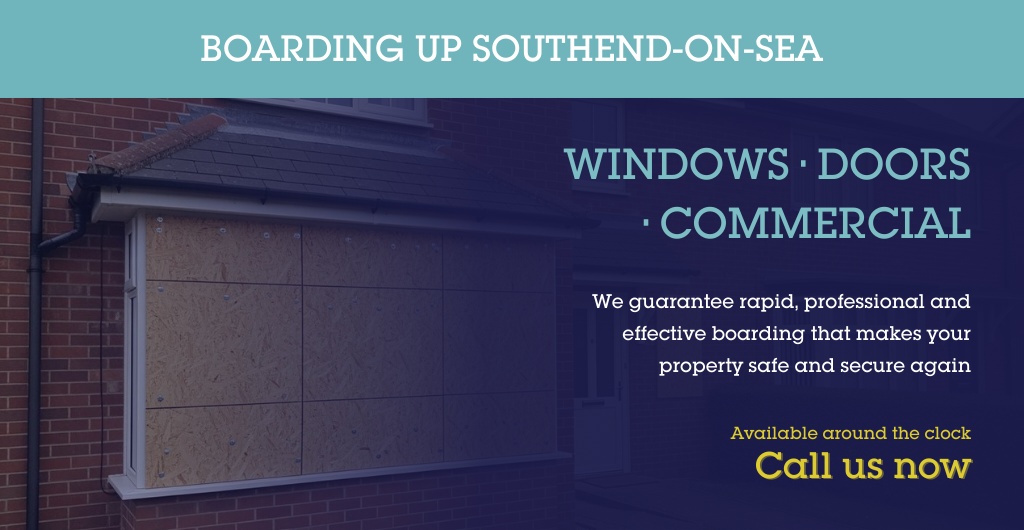
Flood Damage Boarding Up in Southend-on-Sea (SS) – Securing Your Property After Flooding
Flood damage is stressful, messy, and time-critical. If water has come into your home, flat, shop or site in the SS postcode area, the first priority is safety—then securing the building so you can start drying out and arranging repairs without leaving it exposed.
We provide flood damage boarding up in Southend-on-Sea and across SS0–SS22, helping you make safe, secure property and protect vulnerable openings after flooding. If you need urgent help out of hours, you can still call—our team handles emergency boarding up where a property can’t be left open or insecure.
Need help now? Call 01702 967 571 or email us.
When flood damage happens (and why boarding up may be needed)
Flooding isn’t always dramatic “water up to your knees” events. In Southend-on-Sea and the wider SS area, we often speak to customers after:
- Heavy rain overwhelms drainage and water pushes under doors or through air bricks
- Burst pipes or tank failures soak floors and swell timber frames
- Leaking roofs or failed flashing allow water to track into lofts and ceilings
- Blocked gutters cause water to pour down walls and into window reveals
- Commercial incidents (leaks from above, sprinkler discharges, plumbing failures) damage shopfront entrances and internal doors
After flooding, properties can become insecure quickly. Timber can swell so doors won’t close, locks may fail, glazing can crack from impact or pressure, and frames can soften—making it easier for opportunists to force entry. If a window has failed or a door can’t be secured, you may need temporary boarding the same day.
If your situation is urgent—like a smashed window, a door that won’t lock, or a compromised shopfront—see our emergency boarding up page and call straight away.
First: safety checks after flooding (before anyone boards up)
We’ll talk you through this on the phone, but these steps help reduce risk:
- Do not enter standing water if you suspect electrics are affected. If in doubt, wait for a qualified professional.
- Avoid moving swollen doors/windows aggressively—frames and glass can fail suddenly.
- Keep people away from sagging ceilings (waterlogged plasterboard can collapse).
- Take photos (only if safe) before anything is moved—useful for your insurer.
- Ventilation matters, but security matters too. Don’t leave doors or windows open overnight if the property is at risk.
We’re not flood restoration contractors and we don’t do drying or odour remediation—we focus on securing the building so recovery work can happen safely and the property isn’t left vulnerable.
How we secure properties after flood damage (our boarding-up approach)
Flood damage creates a different set of problems to burglary or vandalism. The building may be wet, frames may be distorted, and fixings may not hold in softened materials. Our job is to secure the opening using the safest practical method for the condition of the structure.
Step 1: Assess what’s failed (and what still works)
When we arrive, we look at:
- Whether the door or window frame is swollen and out of square
- If locks and keeps still align, or if the door is effectively “open” even when shut
- Any cracked glazing, loose beads, or damaged hinges
- Whether the surrounding masonry/timber is sound enough for fixings
- Access constraints (shared entrances, upper floors, rear alleys, etc.)
If the frame is too damaged for non-destructive methods, we’ll explain options before proceeding—especially where additional damage could affect later repairs.
Step 2: Choose the right material: plywood vs OSB (and why)
We typically use:
- 18mm exterior-grade plywood for stronger, more durable protection on larger or more exposed openings
- 12mm OSB for smaller openings or where a lighter, cost-effective board is appropriate
Flood conditions matter here. Wet environments can stress materials and fixings, so we’ll use suitable board thickness and fitting methods to keep panels secure and reduce movement.
Step 3: Fit boards securely using anti-tamper methods where appropriate
To help prevent removal from outside—especially if the building will be unattended—we can use anti-tamper fixings. The exact fixing method depends on the surface and opening:
- Fixing into sound frames or masonry where possible
- Using spreader battens/cleats when needed to improve hold and reduce further damage
- Ensuring the panel sits flush with minimal leverage points
The aim is simple: secure property properly, not just cover it.
Step 4: Consider access and ventilation (without compromising security)
After flooding, drying is important. But leaving openings unsecured is risky. In some cases, we can board in a way that maintains safer airflow (where appropriate and agreed) while still protecting the property. If it’s not possible without reducing security, we’ll be honest about that.
Step 5: Provide documentation for insurance and landlords
Customers commonly need paperwork quickly—especially landlords, managing agents, and commercial tenants. We can provide:
- Itemised invoices
- A clear statement of works
- Time-stamped photos showing the condition on arrival and the secured result (when possible)
We’re not loss adjusters, but we’re used to providing the documentation insurers typically ask for. For more guidance, see insurance claims help.
What “make safe” means after flooding (realistically)
People often ask us to “make safe” a property after flood damage. In practical terms, that can include:
- Boarding up a window where the glass has cracked or the frame has failed
- Securing a door that won’t lock because the timber has swollen
- Protecting a vulnerable shopfront entrance until glazing and joinery can be replaced
- Closing off an opening that has been exposed during emergency works
If you specifically need to board up broken window panels, our window boarding in Southend-on-Sea service explains materials, methods, and what to expect.
If the issue is the entrance door (misaligned, damaged, or insecure), see door boarding in Southend-on-Sea.
Typical flood damage call-out in the SS area (what it might look like)
A typical call might involve a ground-floor flat or small commercial unit where water has entered overnight. By morning, the front door has swollen and won’t close properly, and a rear window has become loose in the frame.
In that situation, we would usually:
- Inspect the door alignment and locking points
- Confirm whether it can be secured without forcing it (to avoid unnecessary damage)
- Board the vulnerable window using appropriately sized exterior-grade board
- Use suitable fixings to reduce the chance of outside removal
- Take photos for your records/insurer and provide an itemised invoice
If the door can’t be secured at all, we’ll discuss the safest temporary solution and what that means for access. If you’re managing a site and need controlled entry, it may be better to plan a more robust temporary solution than repeated re-boarding.
What to do right now if your property has flooded
If you’re dealing with flood damage in Southend-on-Sea or anywhere in SS0–SS22, here’s a practical order of actions:
-
Check for immediate danger
If electrics are affected or there’s structural concern, keep out and get the right help first. -
Stop the water source if possible
For burst pipes, isolate the supply if you know how to do so safely. -
Document the damage
Photos and short videos help, especially around doors, windows, and the water line. -
Call your insurer early
Ask what they need from you and whether they want to appoint contractors. -
Call us to secure the property
If a door won’t lock, you have a smashed window, or the building can’t be left open—this is when emergency boarding up and temporary boarding helps most.
Need urgent help, including out of hours? Call 01702 967 571.
Flood damage boarding for homes, shops and vacant properties
Flooding affects different property types in different ways:
- Residential: swollen internal and external doors, compromised window frames, security concerns while occupants stay elsewhere
- Commercial: vulnerable entrances and glazing, need to protect stock and prevent overnight access, requirement for clear paperwork
- Vacant/void properties: higher risk of opportunistic entry once damage becomes visible; stronger security measures may be needed
If you’re responsible for an empty building, you may want to review options beyond short-term boards—especially if repairs will take time. We can talk through what’s appropriate when you call.
FAQs – Flood damage boarding up in Southend-on-Sea
Can you board up a door that won’t close after flooding?
Yes—if the door can’t be secured and the property would otherwise be left open, we can arrange door boarding to secure the entrance. The method depends on the door type and whether the surrounding frame is strong enough for fixings.
Do I need boarding up if there’s no broken glass?
Not always. But flood damage can leave doors unable to lock, frames loosened, or windows unsafe even if the glass is intact. If you’re unsure, call and describe what’s happened—we’ll advise whether boarding is necessary.
Is boarding up covered by insurance after flooding in Southend-on-Sea?
Often it can be, because it’s an immediate step to prevent further loss. Coverage depends on your policy, excess, and circumstances. We can provide documentation insurers typically request—see our insurance claims help page for practical guidance.
Can you help out of hours if my property is insecure tonight?
Yes. If you need 24/7 boarding up due to an insecure opening, call us and we’ll give a realistic ETA based on workload and conditions. We don’t promise fixed arrival times, but we prioritise urgent cases.
Will boarding up trap moisture inside and make drying harder?
Drying matters, but security matters too. We’ll fit boards in a way that balances protection with practical considerations where possible. If ventilation would significantly compromise security, we’ll explain the trade-offs so you can decide.
What information should I have ready when I call?
Helpful details include: your postcode (SS area), what’s damaged (window/door/shopfront), whether there’s standing water, whether the building is occupied, and any access notes. Photos can help but aren’t essential.
Clear next steps
Flood damage is disruptive, but you don’t have to leave your property exposed. If you need to secure property after flooding—whether it’s a door that won’t lock, a vulnerable window, or you need to make safe a commercial entrance—get in touch.
Need help now? Call 01702 967 571 for emergency boarding up in Southend-on-Sea and across SS0–SS22.
Prefer to message? Email us and we’ll come back to you as soon as we can.
