


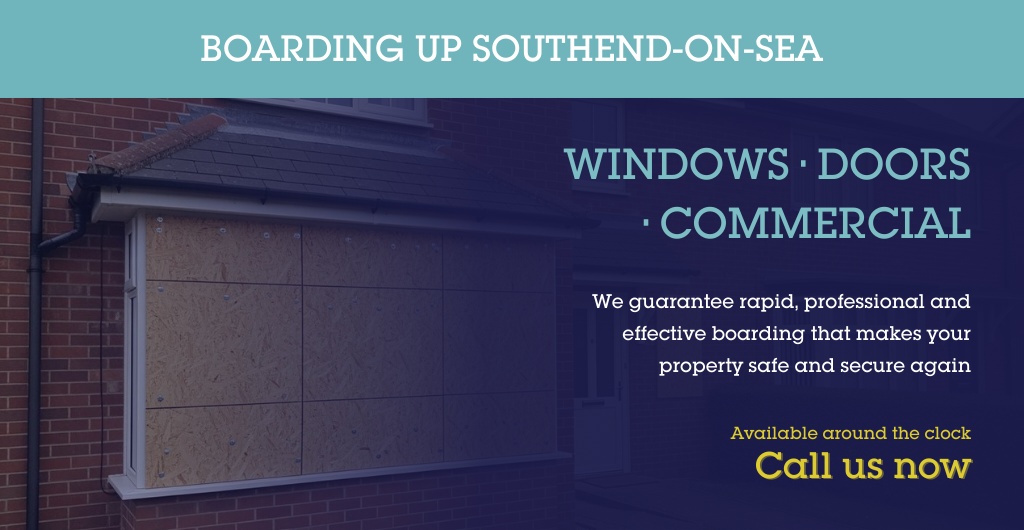
Burglary Repairs in Southend-on-Sea: Emergency Boarding Up & Securing Your Property
A break-in is stressful, invasive, and often leaves you with immediate practical problems: a smashed window, a kicked-in door, a damaged frame that won’t lock, or a shopfront that’s suddenly wide open. If you need burglary repairs in Southend-on-Sea, our priority is to make safe and secure the property quickly, then leave you with the paperwork and photos you’ll likely need for your insurer.
We cover Southend-on-Sea and the wider SS postcode area (SS0–SS22) with fully insured, DBS-checked technicians and 10+ years trading. If you need urgent help—especially out of hours—call now and we’ll give you a realistic ETA based on where you are and current workload.
Need help now? Call 01702 967 571 for immediate assistance.
Prefer email for non-urgent queries? [email protected]
When burglary repairs are needed (and what “repairs” usually means)
People search for “burglary repairs” when the real issue is: “My property can’t be secured right now.” The first stage is usually emergency boarding up or temporary security so the building is protected until permanent glazing/door replacement can be arranged.
Common burglary-related damage we attend across Southend-on-Sea and SS postcodes includes:
- A smashed window (often ground-floor, side access, or rear elevation)
- A door that has been forced at the lock point (split timber, bent uPVC, damaged multi-point mechanisms)
- A broken panel in a composite door, or a shattered glazed unit beside/above the door
- A commercial shopfront boarded up requirement after an attempted theft or break-in
- Repeated targeting of a vacant or low-traffic property (where a stronger, longer-term option may be needed)
Even if only one pane is broken, it can quickly become a bigger issue: weather exposure, further vandalism, or someone returning once they know the property is vulnerable. That’s why temporary boarding and secure fixings matter.
If you’re in immediate need, see our emergency boarding up page and call 01702 967 571.
First steps after a break-in (before we arrive)
If it’s safe to do so, these steps help protect you, your property, and any insurance claim:
- Call the police first if there’s any chance the offender is still nearby, or if you haven’t already reported it. Keep your crime reference number.
- Don’t touch anything you suspect may have fingerprints (frames, handles, glass edges, tools left behind).
- If there’s broken glass, keep people and pets away from the area. Wear shoes—avoid sandals or bare feet.
- Take photos from a safe distance (overall scene + close-ups of damage), especially if rain is expected.
- If you’re a tenant, inform your landlord/agent early—authorisation can matter for follow-on repairs.
- If it’s a business, consider isolating the area and keeping staff out until it’s made safe.
If you call us, we’ll ask a few quick questions (type of opening, size, access, whether it’s ground floor, whether the frame is still intact) and then talk you through what to expect next.
How we secure properties after a burglary (our make-safe process)
Our work after a burglary is focused on securing the building and reducing the chance of repeat entry. Exactly how we do that depends on the damage, the material of the frame, and whether it’s residential or commercial.
1) Assessment and safest access
On arrival, we check:
- Whether the opening is stable (loose shards, damaged frames, exposed fixings)
- Whether there’s a safe route to work (particularly in shared entrances or at height)
- Whether non-destructive methods are possible (e.g., when a door is misaligned but the frame isn’t split)
If the frame is too damaged for non-destructive securing, we’ll explain options before proceeding. We won’t pretend a “quick fix” is secure if it isn’t.
2) Boarding up broken windows
For most post-burglary jobs, the fastest way to secure property is to board up broken window openings using correctly sized sheet material and appropriate fixings.
- Typically, we use 18mm exterior-grade plywood for robust, longer-lasting security.
- For smaller openings or where weight/access is a factor, 12mm OSB may be suitable.
- We use anti-tamper fixings where appropriate, because the goal is to prevent removal from outside—especially important if the property will be unattended.
If you want more detail on the method and materials, see window boarding in Southend-on-Sea.
3) Securing forced or damaged doors
A kicked-in or prised door often fails at the lock and keep area, leaving the door unable to close properly. We may:
- Board up the door opening if the leaf/frame is too compromised to secure safely
- Fit a temporary steel door for medium-term security (particularly for vacant buildings or repeat incidents)
- Reinforce vulnerable access points to prevent a second entry attempt
Door security options are explained on door boarding up in Southend-on-Sea.
4) Shopfronts and commercial entrances
Commercial break-ins can leave large glazed areas exposed. When a shopfront needs urgent protection, we focus on:
- Making the frontage safe for staff and the public
- Installing secure, well-fixed boards that cover the vulnerable glazing area
- Keeping access in mind where possible (e.g., agreed entry/exit routes with the responsible person)
If you’re dealing with a smashed commercial frontage, see shopfront boarding.
5) What you receive afterwards (useful for insurance)
We’re not loss adjusters or legal advisors, but we can provide documentation insurers typically need, such as:
- Time-stamped photos of the opening before and after boarding
- An itemised invoice
- A brief work statement describing what was done and what materials were used
If you’re making a claim, our insurance claims guidance page explains what to prepare.
Materials & fixings: what we use and why
Not all boarding is equal. Poorly fitted boards can be prised off, or they can cause unnecessary damage to frames. Our aim is to secure properly while being sensible about the follow-on repair.
Typical approach:
- 18mm exterior-grade plywood for strong, secure coverage of broken glazing and larger openings
- 12mm OSB for smaller apertures or shorter-term requirements where suitable
- Anti-tamper fixings when the risk of removal is higher (vacant, repeat targeting, secluded access)
- Fixing methods selected to match the surface and condition (timber/uPVC/masonry considerations)
Where possible, we’ll avoid fixings that create unnecessary additional damage—but we’ll prioritise security. If the property is likely to be empty overnight, the most secure method is usually the right call.
Typical burglary call-out in Southend-on-Sea (what it often looks like)
A typical post-burglary boarding job might involve a homeowner calling after discovering a ground-floor smashed window and a damaged back door that no longer locks. It’s common for people to be unsure whether the glass is safe to clear, or whether the door can be “pulled shut” temporarily.
In that scenario, we would:
- Arrive, confirm the safest working area, and remove immediate hazards where needed
- Measure and cut board to suit, then make safe the broken window with secure fixings
- Check the door’s condition; if it can’t be secured safely, board up door access to prevent entry
- Provide photos and an invoice so the customer can pass details to their insurer or landlord/agent
If the property is vacant, or if the entry point is likely to be targeted again, we may recommend a stronger temporary solution (such as a temporary steel door) and explain the pros/cons before fitting.
Burglary boarding vs permanent repairs: setting expectations
It’s important to be clear about what emergency burglary repairs usually cover.
What we do: secure openings, prevent further entry, and protect the building from weather and tampering. That may include emergency window boarding, door boarding, and shopfront protection.
What permanent repairs typically involve: replacement glazing units, new locks, door leaf/frame repairs, and sometimes carpentry or uPVC specialist work. We can secure the property so those trades can be arranged safely and without rushing.
If you’re not sure what you need, call and describe the damage—we’ll tell you honestly whether boarding is appropriate, and what the next sensible step is.
Costs and what affects price
Pricing depends on what we find on arrival. Key factors usually include:
- Size and number of openings
- Material required (plywood/OSB, thickness, anti-tamper fixings)
- Access (rear access only, height, restricted work area)
- Whether a temporary steel door is needed
- Time of day and urgency (e.g., out of hours attendance)
For a plain-English overview, see boarding up pricing. We don’t quote fixed prices online because it risks being inaccurate—if you call, we’ll ask a few questions and give you a realistic estimate.
FAQs: burglary repairs & securing property in Southend-on-Sea
Do you offer emergency boarding up after a burglary in Southend-on-Sea?
Yes. We provide emergency boarding up across Southend-on-Sea and SS postcodes. If you need help tonight or out of hours, call 01702 967 571 and we’ll confirm the best next step and a realistic ETA.
Can you board up a broken window the same day?
Often, yes—workload and time of day matter. If you have a board up broken window requirement after a break-in, call and we’ll prioritise urgent jobs where the property is exposed.
My door has been forced—can you secure it without replacing it?
Sometimes. If the door and frame are still structurally sound, we may be able to secure it temporarily. If not, we can board up door access or discuss a stronger option. Our door boarding page explains what’s possible.
Do you fit temporary steel doors after burglaries?
Yes, in suitable cases—especially for repeated break-ins, empty properties, or badly damaged entrances where boarding alone isn’t ideal. We’ll explain whether a temporary steel door is appropriate once we’ve assessed the opening.
Can you board up a shopfront after a break-in?
Yes. If your commercial glazing has been attacked and you need a shopfront boarded up, we can make safe and secure the frontage to reduce risk overnight and help you reopen safely.
Is boarding up covered by insurance?
It often can be, but policies vary. We recommend contacting your insurer early, keeping your crime reference number, and taking photos if safe. We can provide invoices and supporting photos—see insurance claims for practical guidance.
What should I do while waiting for you to arrive?
Keep everyone away from broken glass, avoid touching damaged frames/handles, and stay inside if you suspect someone may return. If you feel unsafe, contact the police. When you call us, we’ll talk you through safe steps until we arrive.
Next steps: get your property secured
If you’ve had a break-in, you don’t have to make decisions alone in the middle of the stress. We’ll help you make safe, secure property, and provide the documentation you need afterwards.
Need help now? Call 01702 967 571 for immediate assistance.
Non-urgent: Email us and we’ll get back to you.
